
Grower discovery
Enter a restaurant ZIP code and choose a radius to find available crops from nearby farms.
EcoPlot connects farms and communities for a more resilient food future.
Scene 01 — Discover · Our Mission
A box of beans has a price. Before a grower takes any of it home, there’s seed to pay for, a crew to pick and pack it, and a trip to the buyer. An order close to home can change what that trip costs.
EcoPlot helps growers tell nearby kitchens what’s ready for harvest. In our Field Notebook, we follow the decisions behind that harvest, from finding a buyer to deciding what a field can earn while it rests.
Scene 02 — Learn · Pillar 01 Pilot program
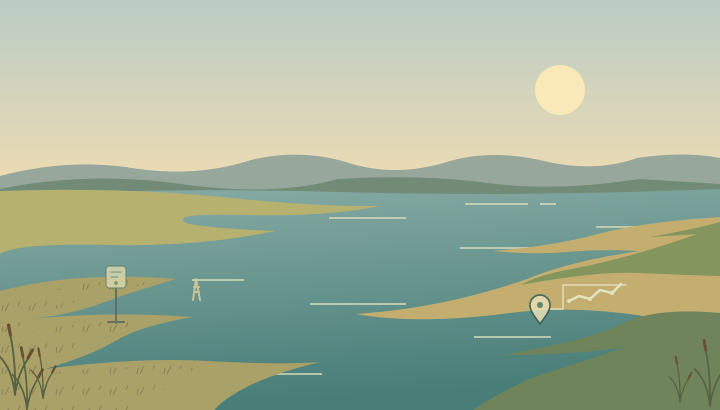
In the Youth Academy, students follow birds across an open field, compare the plants at a woodland edge, and look under fallen leaves. What they notice outdoors becomes a question they can test together.
Community gardens · Pilot
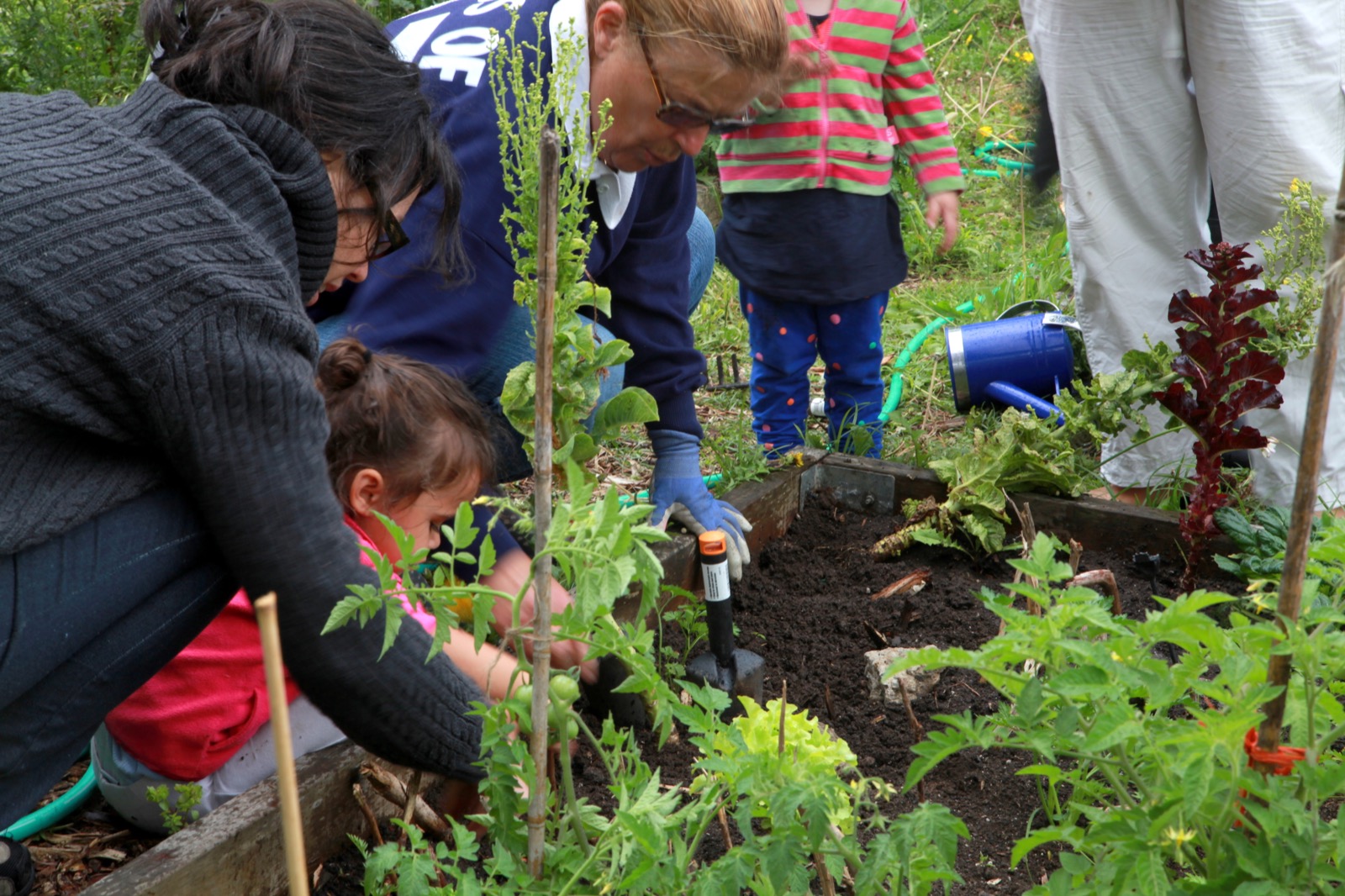
Grow food alongside your neighbors. Our garden pilot brings people together to tend shared beds and learn from the land.
Ask about a community garden ↗
A seed finds open ground. A tuft catches the breeze and carries a seed to the edge of the bed.
The hedge breaks the wind. Air moving through the stems slows, leaving a sheltered patch on the far side.
Learning together in the garden. Explore the soil beneath the bed →Photo: d-olwen-dee · CC BY 2.0 · Resized
Scene 04 · Soil ecology
Illustrative learning lab · These scenes demonstrate ideas, with no live readings or registration.
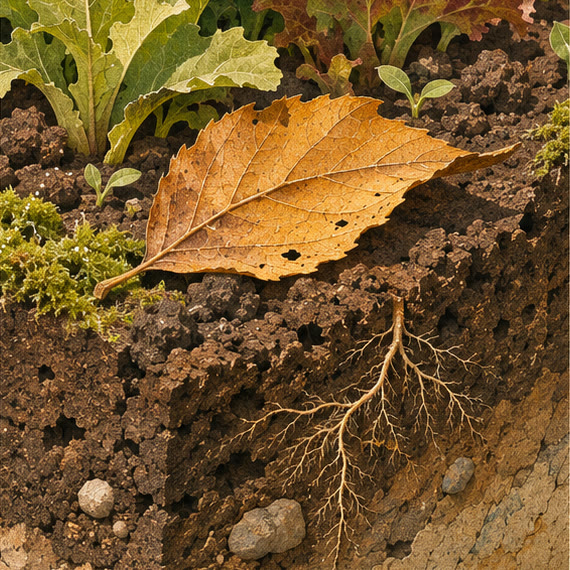
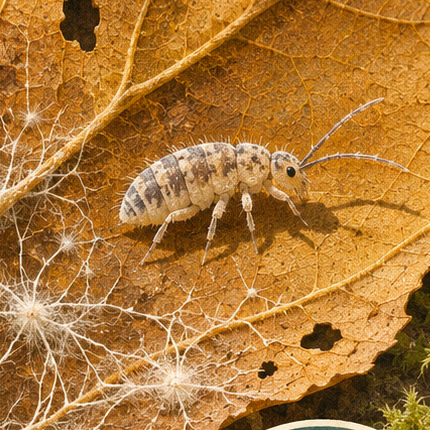
At the end of the vegetable bed, a leaf catches on a crumb of soil. Follow the crease in its surface to meet the organisms feeding there.
Read the Field Notebook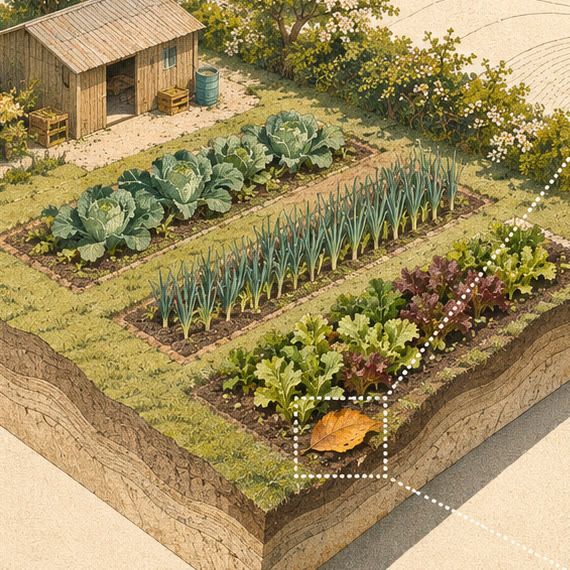
Inside a harvest passport
For the students who grew it, the story carries on after harvest. A kitchen scans the crate label, weighs the delivery, and records the dish. Back in class, the students can see what their bed supplied.
Pillar 03 · Farm-to-Table Community Network Connection concept
Growers post what is ready to pick. Chefs search near their restaurant and ask the grower about quantities, timing, or a Thursday pickup. Growers and kitchens agree on price, delivery, and payment directly.
From the Youth Academy to neighborhood kitchens, students can follow what happens to food after it leaves a garden bed.
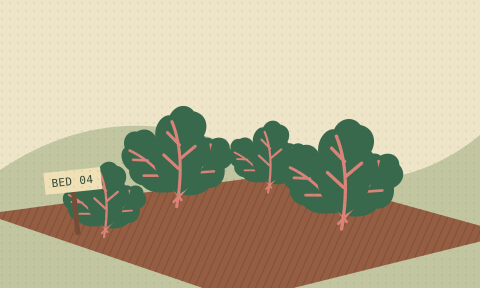
A class can weigh a harvest, label the crate, and start a passport that follows the crop out of the garden.
Start a school harvest →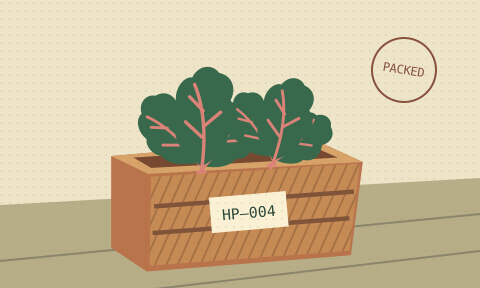
For a chef planning Friday’s soup, the useful questions are simple. Which carrots are ready? How many bunches? When could they arrive?
Discuss your harvest →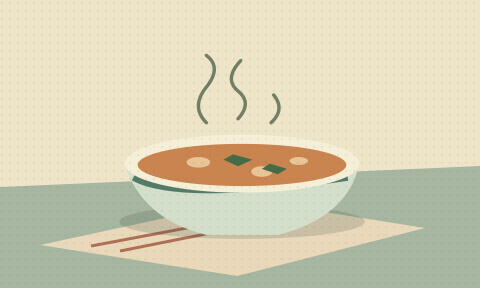
A kitchen can scan a school crate’s QR label and log the meal. The class can open its passport and see what their harvest became.
Discuss kitchen participation →Enter a restaurant ZIP code and choose a radius to find available crops from nearby farms.
Each listing shows the variety, quantity and last available day. Growers can close a listing when the harvest runs out.
On a future field visit, students could follow a crate from the packing shed to the prep table and meet the people who grow, deliver, and cook their food.
Availability is posted by each grower. Ask about the crop before planning a pickup.
Farm stories · Issue 01
What does it take to make a living on a piece of land? Three short reads on the weather, the buyers and the bills that shape a farmer’s week.
01 / On the farm · Spokane Valley, Washington
When cabbage slowed down in the summer heat, Brandon Gerard could change how he sheltered a crop. Finding a buyer was a different job.
During the Pacific Northwest’s 2021 heat dome, Gerard saw his brassicas slow down at Peak of Abundance Farm. He uses shade cloth over his tomato and cucumber house. When wind picks up, he can roll down the sides of his high tunnels to shelter what’s inside.
Gerard sells vegetables at farmers markets and through a local food cooperative. In his account for the USDA Northwest Climate Hub, he singled out taxes, sales and distribution as pressing concerns for his half-acre farm. Shade can protect a cucumber long enough to pick it. Getting it to a paying customer takes another kind of work.
02 / Farm to school · Upper Valley, Vermont
One Vermont farm offered families a choice between two mixed produce boxes. That simple order form brought in about $2,000 in sales.
In 2013, five elementary schools worked with 14 farms on a fundraiser. Four schools let families order individual items from several farms. At the fifth, one farm packed mixed boxes in two sizes. Across all five schools, farms took in $4,394 before expenses.
The two approaches served different needs. Ordering by the item let a family spend a little and try several farms. The boxes concentrated more orders with one grower. At Bradford Elementary, families picked up their orders at the harvest dinner. The school already had a time and place where its buyers would be.
03 / Farm economics · Climate offsets
A farmer buying seed for a winter cover crop faces a bill this fall. A possible carbon payment runs on a different calendar.
A field can grow rye between harvest and spring planting. Its roots help hold soil in place. The grower pays for the seed and the work of sowing it, while some benefits to the soil take years to show up.
A carbon offset lets a buyer count a verified climate benefit from one place against emissions elsewhere. For a farm project, that raises practical questions. Would the farmer have planted the cover crop anyway? How will anyone check how much extra carbon stays in the ground, and for how long?
From the farm kitchen table, the questions are just as concrete. Who pays to keep the records? When would the first payment arrive? The answers matter as much as the price printed beside a carbon credit.
How USDA Climate Hubs explains offsets · Cover crops and farm costs
Participation pathways
Choose a role to open the contact form with your topic filled in. You can also send us a general message.
Help build garden beds, run workshops, or lend your skills in design, code, or communications.
Ask about volunteeringTell us your city and grade band. Ask whether a pilot is available in your area, what space it needs, and when a class could start.
Ask about a school pilotHave a vacant lot, a schoolyard, a rooftop? Tell us about the space and the neighborhood around it.
Ask about a gardenRestaurants, farms, research groups, funders, and businesses — let’s build the network together.
Discuss a partnershipAgronomists, educators, engineers, chefs — contribute what you know to programs that need it.
Write to EcoPlotAsk when the next school pilot or community garden opportunity will open.
Ask for updatesSupport EcoPlot
EcoPlot is sustained by people who believe green knowledge should be common ground. You can fuel a school garden, sponsor a season of Youth Academy workshops, fund our mapping tools, or help us reach the neighborhoods that need this most.
Ask a question about sponsoring a garden, contributing equipment, or supporting a workshop.
Ask about giving Discuss a partnershipEcoPlot does not currently process donations or claim tax-deductibility. The contact form is for inquiries.
A quick note about who you are and what’s on your mind.
Write to EcoPlotOpens the contact form with your topic filled in.